Eco-Friendly Wedding Flowers: What It Really Means
Eco-friendly wedding flowers come down to four honest choices: blooms grown in season, sourced from local growers and short supply chains, held together with reusable mechanics instead of single-use floral foam wherever possible, and designed so as little as possible ends up in the bin. It’s not a label on the invoice — it’s a series of decisions about where the flowers come from, how they’re held together, and where they go when the party’s over.
I’m Claire, and with the Buzzy Bee atelier I design weddings across the South-West of France, within around 250–300 km of Toulouse. I want to tell you what “eco-friendly” actually means once you strip away the buzzwords — and, just as honestly, where its limits are.
Most of the story is written before the flowers reach me
A lot of the flowers sold worldwide are grown far away, under heat and light, then flown and trucked across continents in refrigerated boxes. Gorgeous, often — but heavy on air miles, water and energy.
Designing with the season quietly rewrites that. When we build your palette around what the year is genuinely offering, we lean on blooms that grew closer to home, in tune with the local climate. And there’s a lovely side effect I won’t pretend away: seasonal, locally grown flowers are usually fresher, more fragrant and more characterful than anything that has spent days in transit. A June table full of garden roses and dahlias, an autumn one warmed by chrysanthemums and berries — they feel right because they belong to the moment.
How to make your wedding flowers more sustainable
If you want the practical version, here’s where the real difference is made:
- Choose flowers in season. Ask your florist to design around what’s at its best in the weeks around your date, not around a fixed image.
- Favour local growers and short supply chains. Fewer air miles, fresher stems — sustainability and beauty pulling the same way.
- Reduce and avoid floral foam where you can. Those green bricks are single-use plastic that shreds into microplastics and can’t be recycled or composted. We work with chicken wire, reusable pin holders (kenzans), sturdy vessels and old-fashioned technique wherever possible — while being honest that, for certain large or gravity-defying installations, no alternative yet matches foam completely.
- Reuse and rehome the arrangements. Ceremony flowers can move to the reception; at the end of the night, blooms can be gifted to guests, a care home or a hospice rather than binned.
- Consider dried or potted elements. Dried flowers last for months, and potted plants can be replanted or kept — both stretch the life of your flowers well past the day.
None of this makes a wedding “zero waste.” A celebration is, by nature, a moment of abundance, and I’d rather be straight with you than sell you a fantasy. What it does mean is that we design with the whole life of the flowers in mind — from the grower’s field to the morning after.
Questions to ask your florist
You don’t need to be an expert. A few gentle questions tell you almost everything:
- Do you design with the season and my region in mind?
- Where do your flowers actually come from — which growers, how far?
- Do you use floral foam, or reusable mechanics?
- What happens to the flowers after the wedding?
- Can any elements be dried, potted, rented or rehomed?
A florist who cares will answer plainly, limits and all.
Claire’s tip: Be a little wary of anyone promising a flawlessly “green,” zero-waste wedding with no trade-offs. Honesty sounds like “here’s what we can do, and here’s where the season won’t cooperate.” When the South of France simply isn’t growing a particular stem, I’ll tell you and we’ll find a way through together — rather than flying in one specific flower at any cost.
You don’t have to choose between beautiful and responsible
Working with the season, with local growers, and without foam isn’t a compromise — it’s often what gives our work its texture and soul. Flowers that feel gathered rather than manufactured. Palettes that echo the light and the landscape of your day.
I listen — to your story, your colours, the place you’ve chosen — and compose from there, with a little poetry and a touch of daring. The eco side simply sits quietly underneath all of it.
If you’d like flowers that are beautiful and kind to the region you’re marrying in, tell us about your wedding. You can also meet Claire and our approach, or see how we work as a wedding florist in the South of France.
FAQ
Are eco-friendly wedding flowers more expensive?
Not necessarily. Seasonal, locally grown flowers can be better value than imported ones, and reusing arrangements or renting vessels helps too. Cost depends far more on the scale and ambition of your design than on the eco choices themselves.
What’s wrong with floral foam?
It’s a single-use plastic that shreds into microplastics and can’t be recycled or composted. We avoid it wherever we can, using reusable mechanics such as chicken wire and pin holders — though, honestly, for a few ambitious installations there’s still no alternative that performs quite as well.
Can flowers be reused after the ceremony?
Yes. Ceremony arrangements can often move to the reception, and at the end of the night blooms can be gifted to guests or rehomed rather than thrown away — one of the simplest ways to cut waste.
Back to news
other news
Discover too
-
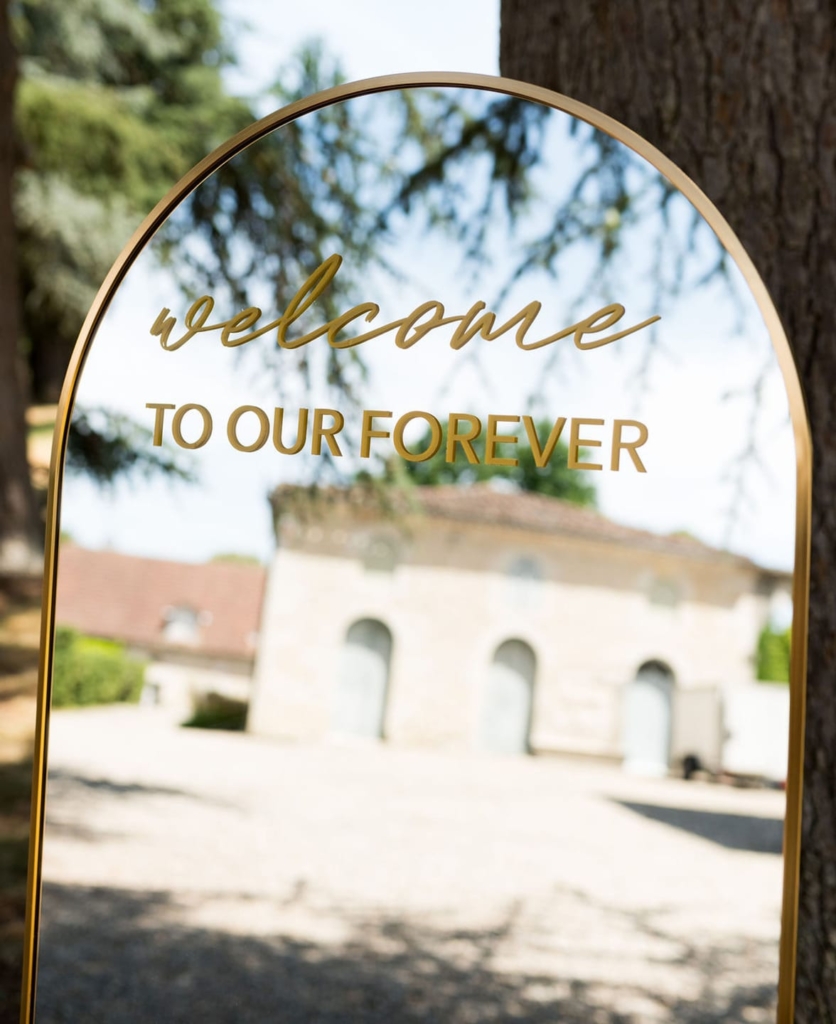
23/09/2026
Hiring an English-Speaking Wedding Florist in France: Every Question, Answered
Yes — you can plan your wedding flowers in France entirely in English. At Buzzy… -
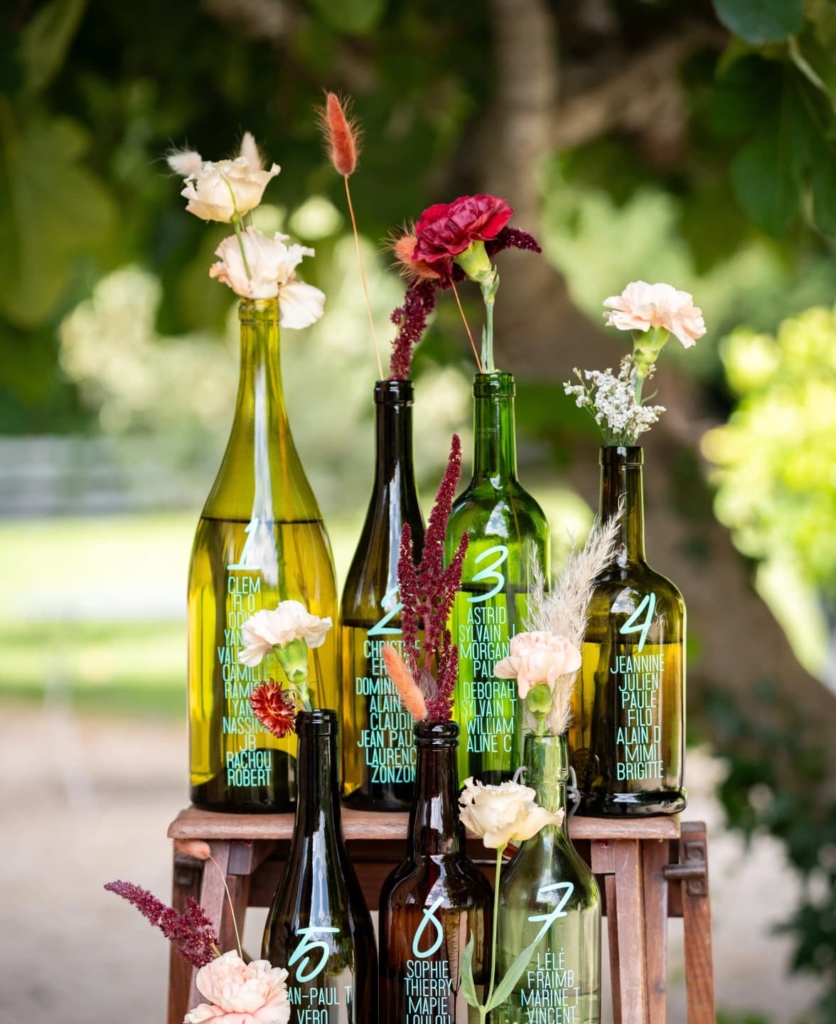
18/09/2026
The Wedding Table Plan: the First Image of Your Reception
Your wedding table plan (seating chart, if you're American) is the first piece of decor… -
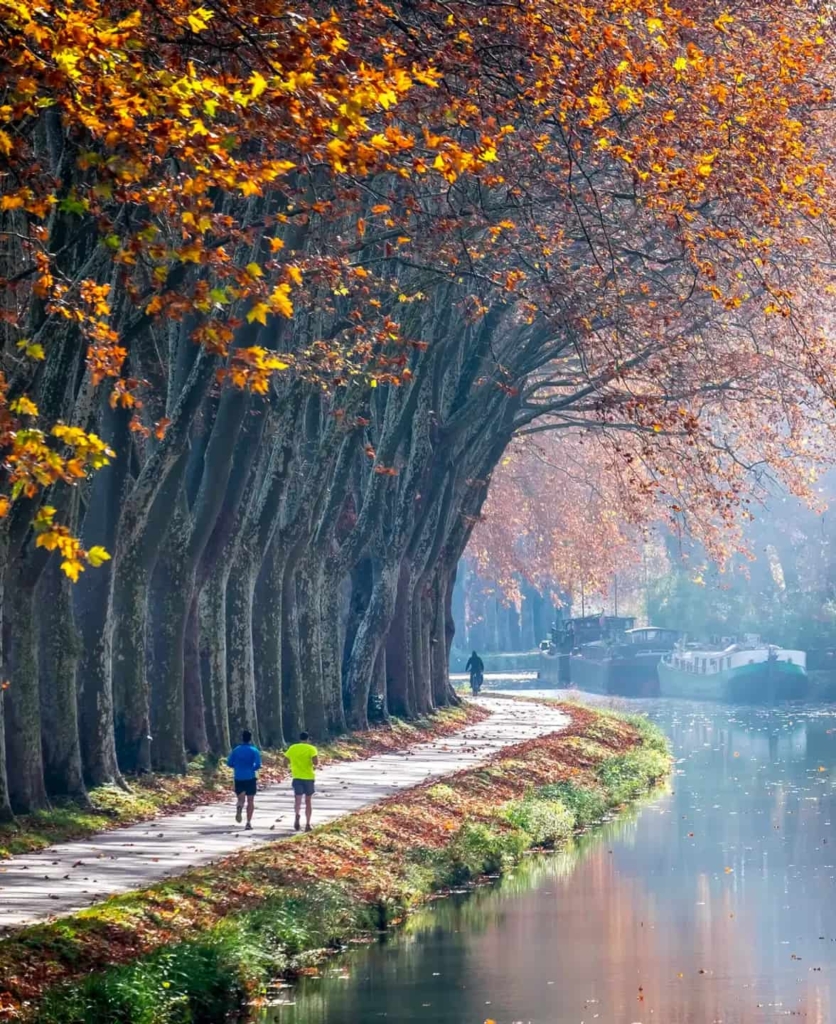
26/07/2026
French chateau wedding venues near Toulouse: a florist's guide
A french chateau wedding doesn't have to mean Provence. Within 250 km of Toulouse —… -
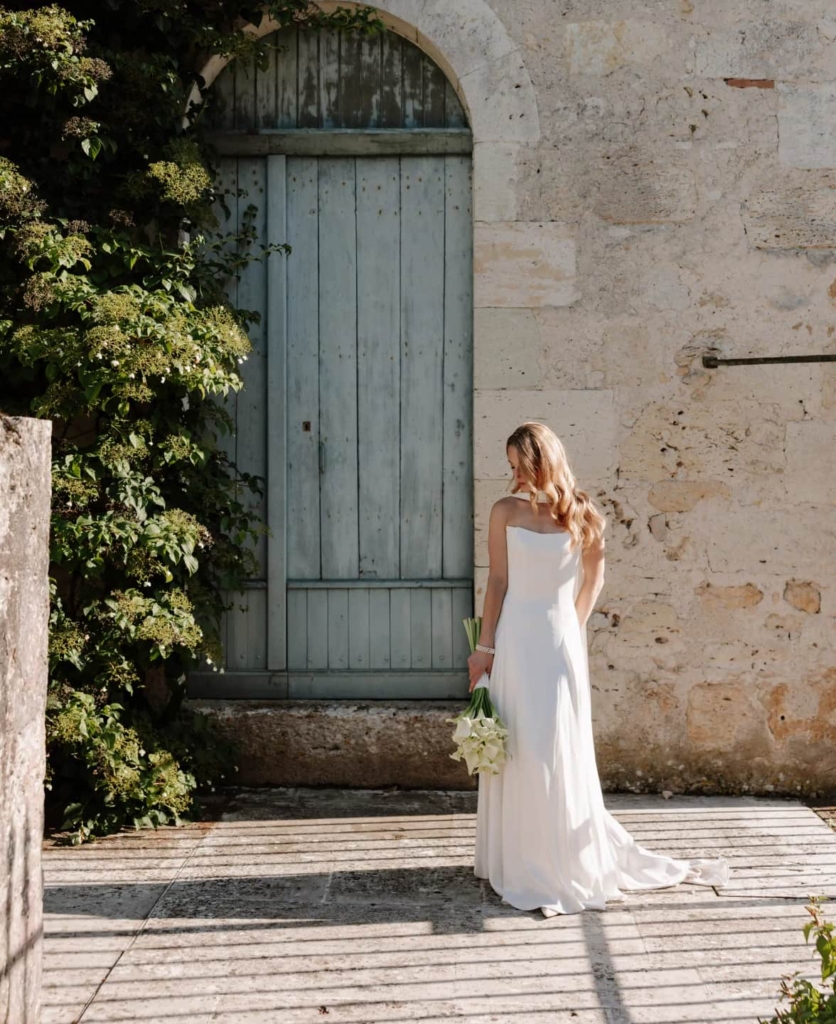
17/07/2026
French Chateau Wedding Flowers: Ideas & Inspiration
A chateau calls for flowers with presence: a few bold, architectural gestures — a ceremony…


Stay updated
@buzzybeeworks


